
A Weekend Guide to Pantry Organization in the Lehigh Valley
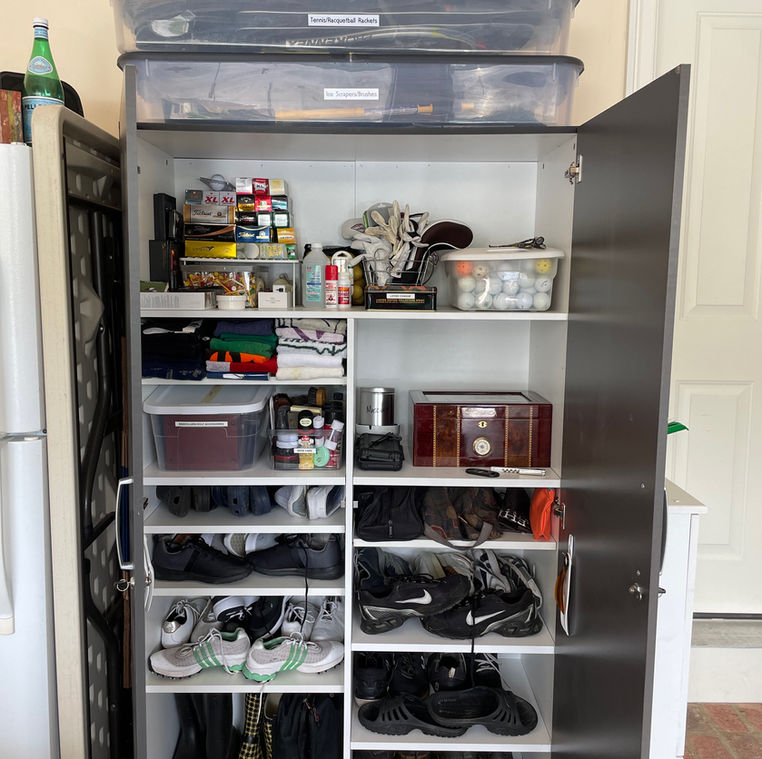
Does opening your pantry door feel like a game of high-stakes Jenga? If you're tired of falling cans or searching for spices that expired years ago, you're not alone.
As a former Registered Nurse of 25 years, I've spent my career understanding that systems only work if they are intuitive and maintainable. The same logic applies to your kitchen. Whether you're in a historic home in Bethlehem or a modern kitchen in Macungie, a well-organized pantry is the heart of a stress-free home.
Step 1: The Great Emptying
You cannot organize what you cannot see. Set aside a Saturday morning and pull every single item out of your pantry. This is the "nursing assessment" phase of our project. We need to see the full picture before we can treat the problem.
As you empty the shelves, check expiration dates. You'd be surprised how many half-empty bags of flour and "mystery jars" hide in the back corners of Lehigh Valley kitchens!
Step 2: Categorize and Group
Once your counters are full and your pantry is empty, start grouping like items. I recommend categories like:
- Baking: Flour, sugar, baking powder.
- Grains & Pasta: Rice, quinoa, spaghetti.
- Breakfast: Cereals, oatmeal, pancake mix.
- Snacks: Chips, nuts, granola bars (keep these at eye level for the kids!).
- Canned Goods: Soups, beans, sauces.
Step 3: Choose Your Containers Wisely
This is where the magic happens. In my experience serving clients in Allentown and Easton, clear containers are a game-changer. Why? Because you can see exactly when you're running low on essentials before you head to the Wegmans or Giant.
Use airtight bins for dry goods to keep them fresh and stackable bins for snacks to maximize vertical space. Don't forget to label everything! A label isn't just for show; it's a guide for every member of the household to know where things belong.
Step 4: Zone Your Space
Think about your daily flow. Items you use every morning (like coffee and cereal) should be in the "Prime Real Estate" zone—between waist and eye level. Heavy items like bulk flour or extra oil should go on the bottom shelves. Occasional items like holiday cookie cutters can go on the very top.
Step 5: Maintenance is Key
The goal isn't just to have a pretty pantry for one day; it's to have a system that works for your life. Spend five minutes at the end of each week resetting your pantry. It's much easier to maintain a system than to start over from scratch.
Ready to transform your kitchen? If the thought of emptying your pantry feels more like a nightmare than a weekend project, I'm here to help. At Klutter Queen, we specialize in Kitchen & Pantry Organization across the entire Lehigh Valley.
Reclaim Your Kitchen Today
Stop fighting your pantry and start enjoying your kitchen. Book a free consultation and let's create a system that works for you.
Book Your Free Consult
Written by Mary Schmidt
Mary is the founder of Klutter Queen and a former Registered Nurse of 25 years. She helps homeowners across Lehigh Valley, PA reclaim their space with a calm, systematic, and judgment-free approach.